Shipping Estimate
USA
- USA
- CAN
- USA
- CAN
Ships within 48 hours · Estimated delivery Jul 12 - Jul 17
 Promo Codes Available:
For Your Every Summer RSVP, with Code: SUMMER15
Description
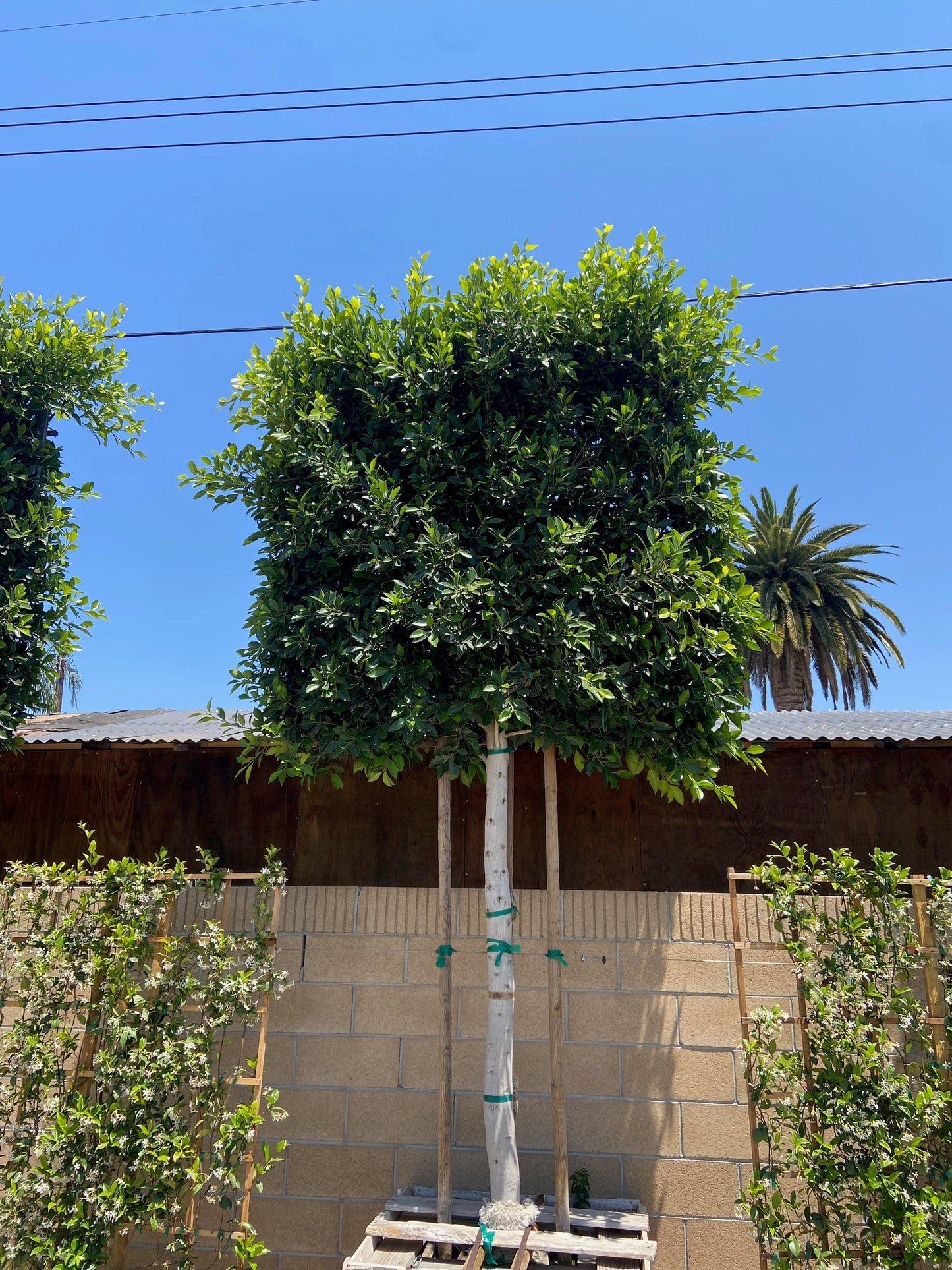
indian laurel house plant Ficus Tree - Ficus nitidaFicus Nitida is a popular evergreen privacy tree commonly used throughout Southern California for hedging, screening, and formal landscape design. Ficus nitida is a cultivated form of Ficus microcarpa known for its dense foliage, rapid growth, and adaptability in warm climates. Commonly referred to as Indian Laurel, this species is also known as laurel fig, especially in landscape and nursery industries. Its lush green canopy and ability to create
Ficus Nitida is a popular evergreen privacy tree commonly used throughout Southern California for hedging, screening, and formal landscape design. Ficus nitida is a cultivated form of Ficus microcarpa known for its dense foliage, rapid growth, and adaptability in warm climates.
Commonly referred to as Indian Laurel, this species is also known as laurel fig, especially in landscape and nursery industries. Its lush green canopy and ability to create instant privacy make it one of the most widely planted screening trees in California.
Key Benefits of Indian Laurel Columns
Indian Laurel columns are especially popular because they provide immediate vertical screening with a narrow footprint.
-
Their dense, evergreen foliage makes them ideal for use as a privacy screen or hedge.
-
When planted closely together, Indian Laurel columns can form a thick living wall that blocks unwanted views, noise, and wind, making them perfect for privacy hedges and screens.
-
They are highly adaptable to pruning, allowing you to maintain a clean, architectural look or a more natural shape.
Ficus nitida is commonly used for Indian Laurel columns and privacy hedges, also known as the "Hollywood-Style Hedge," providing dense, rapid screening for residential and luxury landscapes.
Instant Privacy
Unlike smaller shrubs that require years to mature, column-grown ficus creates an immediate hedge effect upon installation. This makes them ideal for:
-
Blocking neighboring views
-
Screening fences and walls
-
Reducing street visibility
-
Creating secluded patios
Evergreen Year-Round Appeal
Ficus nitida remains evergreen throughout the year in most Southern California climates, maintaining dense glossy foliage with vibrant, dark green leaves even during winter months.
The glossy, dark green foliage remains vibrant year-round, enhancing the aesthetic appeal of outdoor spaces while providing privacy.
Fast Growth for Quick Screening
Ficus nitida is considered a fast-growing privacy tree. Under ideal conditions, it can grow several feet per year, quickly forming dense hedges and tall screening walls.
Ficus Nitida Column: Appearance, Sizes, Uses
Ficus nitida columns feature a narrow upright growth habit designed for privacy applications where space is limited. The typical width of Ficus nitida columns ranges from 2 to 4 feet, but with regular pruning, you can maintain a narrower or broader profile to suit your landscape needs. Ficus nitida can be shaped into formal hedges, columns, or allowed to grow into large shade trees, making it a versatile choice for Indian Laurel trees used as privacy screens and shade, vertical accents, or providing year-round shade in landscaping.
Columnar Growth Habit
Compared to broad-canopy ficus trees, column forms are:
-
Taller than they are wide
-
Densely branched
-
Easier to maintain as hedges
-
Suitable for tighter side yards
Their narrow profile makes them especially useful along property lines and pool equipment screening areas.
Typical Nursery Sizes
Ficus nitida columns are commonly available in:
-
15-gallon containers
-
24-inch box trees
-
36-inch box specimens
-
Extra-large field-grown columns
Typical installation heights range from:
-
6–8 feet
-
10–12 feet
-
15 feet and taller for immediate privacy
Patio and Container Use
Smaller ficus nitida specimens can also be grown in large containers for:
-
Patio privacy
-
Courtyard screening
-
Rooftop gardens
-
Commercial outdoor seating areas
Container growing helps restrict root spread while maintaining a clean formal appearance.
Nitida Hedge: Planting, Spacing, and Design
Proper spacing is critical when designing a ficus nitida hedge.
Recommended Hedge Spacing
For maximum hedge density:
-
Space plants 1.5–2 feet apart center-to-center
For balanced fullness and long-term maintenance:
-
Space plants 3–4 feet apart center-to-center
For a more open tree-like appearance:
-
Space plants 5+ feet apart
Understanding Center-to-Center Spacing
Center-to-center spacing means measuring from the center of one trunk to the center of the next plant rather than from edge to edge.
Closer spacing creates faster privacy but may require more frequent pruning over time.
Invasive Roots: Risks and Management
One of the most important considerations with ficus nitida is its aggressive root system. The roots of ficus nitida are known for spreading outwards, which can cause issues near structures such as sidewalks, driveways, and foundations. Homeowners often use root barriers or guards to help control this spread and redirect roots downward, minimizing potential damage.
If you are concerned about invasive roots, you may want to consider alternatives such as Waxleaf Privet (Ligustrum japonicum ‘Texanum’). This evergreen shrub features glossy foliage, is well-suited for privacy hedges, and has a non-invasive root system, making it a safer choice for those seeking privacy without the risk of root-related issues.
Root Invasiveness Risks
Mature ficus roots may:
-
Lift sidewalks
-
Crack hardscape
-
Invade pipes
-
Damage foundations
-
Disturb pool decking
This aggressive root behavior is one reason careful planning is essential before planting.
Root Barrier Recommendations
To help manage root spread:
-
Install professional root barriers during planting
-
Maintain adequate setback distances from structures
-
Avoid planting near plumbing lines
-
Leave space between trees and driveways
Foundation Clearance
Avoid planting ficus nitida directly beside:
-
House foundations
-
Retaining walls
-
Pools
-
Sewer lines
-
Concrete patios
Container Planting Alternative
Growing ficus nitida in large containers is an effective option for homeowners seeking privacy without extensive root expansion.
Care & Maintenance Essentials
Ficus nitida, a tropical species, thrives in full sun to partial shade and requires well-drained soil and regular watering to maintain its health and growth. As with Indian Laurel (Ficus microcarpa) in general, Ficus nitida performs best with regular maintenance and consistent irrigation during establishment.
Watering Needs
Established ficus trees benefit from:
-
Deep watering 1–2 times weekly during hot weather
-
Reduced irrigation during cooler seasons
-
Consistent moisture without waterlogging
Young plants require more frequent watering while roots establish.
Pruning Recommendations
Light, regular pruning encourages:
-
Denser foliage
-
Fuller hedge growth
-
Improved screening
-
Controlled sizing
Frequent light trimming is generally preferable to aggressive annual cutbacks.
Fertilization
Fertilize during active spring growth using a balanced slow-release fertilizer formulated for evergreen privacy trees and shrubs.
Pest and Disease Monitoring
Monitor ficus nitida regularly for:
-
Scale insects
-
Whiteflies
-
Spider mites
-
Sooty mold
-
Leaf spot issues
Healthy irrigation practices and airflow help reduce stress-related pest problems.
Maintenance Checklist
Monthly Hedge Pruning Checklist
-
Inspect for uneven growth
-
Remove crossing branches
-
Lightly shape hedge surfaces
-
Monitor irrigation coverage
-
Check for pest activity
Seasonal Fertilization Schedule
Spring
-
Apply balanced slow-release fertilizer
Summer
-
Monitor irrigation during heat waves
Fall
-
Reduce nitrogen applications
Winter
-
Limit pruning during cold periods
Pest Inspection Steps
Regularly inspect:
-
Undersides of leaves
-
New growth tips
-
Branch junctions
-
Interior canopy areas
Early detection helps prevent widespread infestations from sap-sucking pests.
Southern California Considerations
Ficus nitida performs exceptionally well throughout most Southern California climates due to its heat tolerance and evergreen growth habit, similar to other popular privacy trees offered by Yardwork.
Climate Performance
Ficus thrives in:
-
Coastal Southern California
-
Inland valleys
-
Urban heat zones
-
Warm Mediterranean climates
Frost Protection
In colder microclimates and inland frost pockets:
-
Protect young trees during freezes
-
Avoid excessive winter pruning
-
Apply mulch around roots
-
Use frost cloth during severe cold events
Buying, Delivery, and Services from Yardwork
Yardwork offers professionally grown mature ficus trees and columns for residential and commercial privacy projects. For more details about available sizes, delivery, and installation options, contact Yardwork to discuss your specific needs. If you need updated pricing details or a delivery quote, contact Yardwork for personalized assistance, whether you’re comparing ficus nitida to English Laurel hedge options or other privacy plants.
Available Sizes
Popular purchasing options include:
-
15-gallon privacy trees
-
24-inch box ficus columns
-
36-inch box mature screens
-
Large custom privacy installations, as well as complementary shrubs like Bay Laurel and other evergreens for layered landscape designs
Typical Pricing Ranges
Pricing generally varies based on:
-
Tree height
-
Container size
-
Root ball maturity
-
Delivery requirements
Larger instant-privacy columns typically cost more but provide immediate screening benefits.
Delivery and Installation Services
Yardwork may offer:
-
Local delivery
-
Crane placement for large trees
-
Professional planting
-
Root barrier installation
-
Irrigation coordination
To explore current inventory and pricing, shop plants online or request a consultation for customized privacy recommendations.
FAQs
Is ficus nitida evergreen?
Yes. Ficus Nitida is an evergreen tree that maintains dense foliage year-round in warm climates like Southern California.
How fast does ficus nitida grow for hedging?
Under ideal conditions, ficus nitida can grow approximately 2–4 feet per year, especially during early establishment stages with regular irrigation and fertilization.
How big does a Ficus Nitida get?
When planted in the ground and left unpruned, ficus nitida can eventually reach:
-
30–40 feet tall
-
30–50 feet wide (horizontal spread). The width of ficus nitida refers to its horizontal growth, which can be managed and kept narrower through regular pruning, making it ideal for privacy screens or vertical accents in landscaping.
As a maintained hedge, it is commonly kept between 8 and 15 feet tall depending on privacy goals and maintenance frequency.
Container-grown specimens remain significantly smaller due to root restriction.
Does Ficus Nitida have invasive roots?
Yes. Ficus nitida is known for having aggressive and invasive root systems if planted too close to structures or hardscape.
Potential root problems include:
-
Sidewalk lifting
-
Pipe intrusion
-
Foundation pressure
-
Cracked patios and driveways
Professional root barriers and proper planting distances are strongly recommended for long-term landscape safety.
What are the disadvantages of the Ficus tree?
While ficus nitida is highly effective for privacy screening, there are several potential drawbacks.
Common Disadvantages
-
Aggressive root systems
-
Frequent pruning requirements
-
Rapid overgrowth if neglected
-
Leaf drop during stress
-
Pest susceptibility in crowded hedges
-
Large mature size
Careful planning and regular maintenance are essential for successful long-term use.
Does Ficus Nitida like sun or shade?
Ficus nitida performs best in full sun to partial shade.
Ideal Lighting Conditions
-
Full sun encourages fastest growth and densest foliage
-
Partial shade is tolerated in warmer inland climates
-
Young plants may benefit from afternoon protection during extreme heat
In Southern California, ficus nitida generally performs best with at least 6 hours of direct sunlight daily.
Shipping Notes
- Free Standard Shipping on $100+ Orders to the USA.
- Except Preorder products are shipped in 48 hours.
- Delivery to the USA:
- Standard Shipping : 3-10 business days
- If time is of the essence, please consider selecting expedited delivery for faster service.
Exchange/Return Notes
- We offer a 30-day return/exchange service after receiving.
- Final sale items are not eligible for returns or exchanges.
- To process your return/exchange, please contact us at [email protected]
- Please click here for more details>>> Return & Exchange Policy